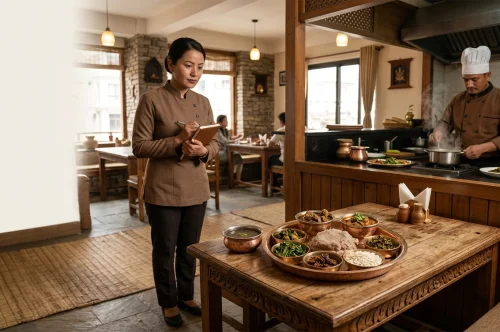
Running a Restaurant in Nepal After You Buy It: Your First 90 Days

Running a Restaurant in Nepal After You Buy It: Your First 90 Days
Buying a running restaurant is only the first step — what you do in the first 90 days after taking over often determines whether the business continues to thrive or starts to decline. Existing customers, staff, and suppliers are all watching closely to see how the new owner operates. Here's how to navigate that critical early period.
Week 1-2: Observe Before You Change Anything
It's tempting to start making improvements immediately, but the first two weeks are better spent observing:
- Watch how staff currently operate during peak and slow hours
- Note which menu items sell best and which barely move
- Pay attention to regular customers — who they are, what they order, and how staff interact with them
- Review actual daily sales patterns rather than relying on what the previous owner told you
Making sudden changes before understanding what's actually working risks damaging the customer relationships and operational rhythms that made the business worth buying in the first place.

Week 3-4: Build Relationships with Staff and Regulars
With staff: Have individual conversations with key employees, especially the cook/chef if they're staying on. Understand their concerns, listen to their suggestions, and be clear about your plans without making unrealistic promises.
With regular customers: If possible, introduce yourself to regulars personally. A restaurant's most valuable asset is often its loyal customer base — a warm, personal transition reassures them that the quality and experience they valued won't suddenly disappear.
Month 2: Make Small, Data-Backed Improvements
Once you understand the business's actual patterns, start making small, deliberate improvements rather than sweeping changes:
- Address any equipment issues you noticed during the observation period
- Make small menu adjustments based on real sales data, not personal preference
- Improve any processes that seemed clearly inefficient during your observation
Avoid changing the core menu, pricing, or branding dramatically this early — regular customers chose this restaurant for a reason, and drastic changes can alienate the base you're relying on during the transition.
Month 3: Start Building Your Own Vision
By this point, you should have a solid understanding of the business's real operations, customer base, and financial patterns. This is when you can start introducing your own ideas more confidently — new menu items, marketing efforts, or operational improvements — informed by real data rather than assumptions made before you owned the business.
Common Mistakes New Restaurant Owners Make
- Changing the menu too quickly, alienating regulars who came for specific dishes
- Replacing key staff immediately, losing institutional knowledge and customer relationships
- Ignoring supplier relationships the previous owner built, leading to inventory or quality issues
- Underestimating working capital needs during the transition period, when revenue may temporarily dip as the business adjusts to new ownership
Keep Learning From the Community
Smart Bikri's blog regularly covers guidance for both buying and running businesses across Nepal. Browse our Buying Guides for more insights as you settle into ownership.
The first 90 days set the tone for your entire ownership of the restaurant — patience and careful observation early on pay off far more than rushing to make your mark immediately.
Smart Bikri — Buy Smart, Sell Easy. Nepal's trusted marketplace for buying and selling shops, restaurants, and businesses nationwide.