Thakali Khana Restaurant Business in Nepal: What Buyers Should Know
Thakali Khana Restaurant Business in Nepal: What Buyers Should Know
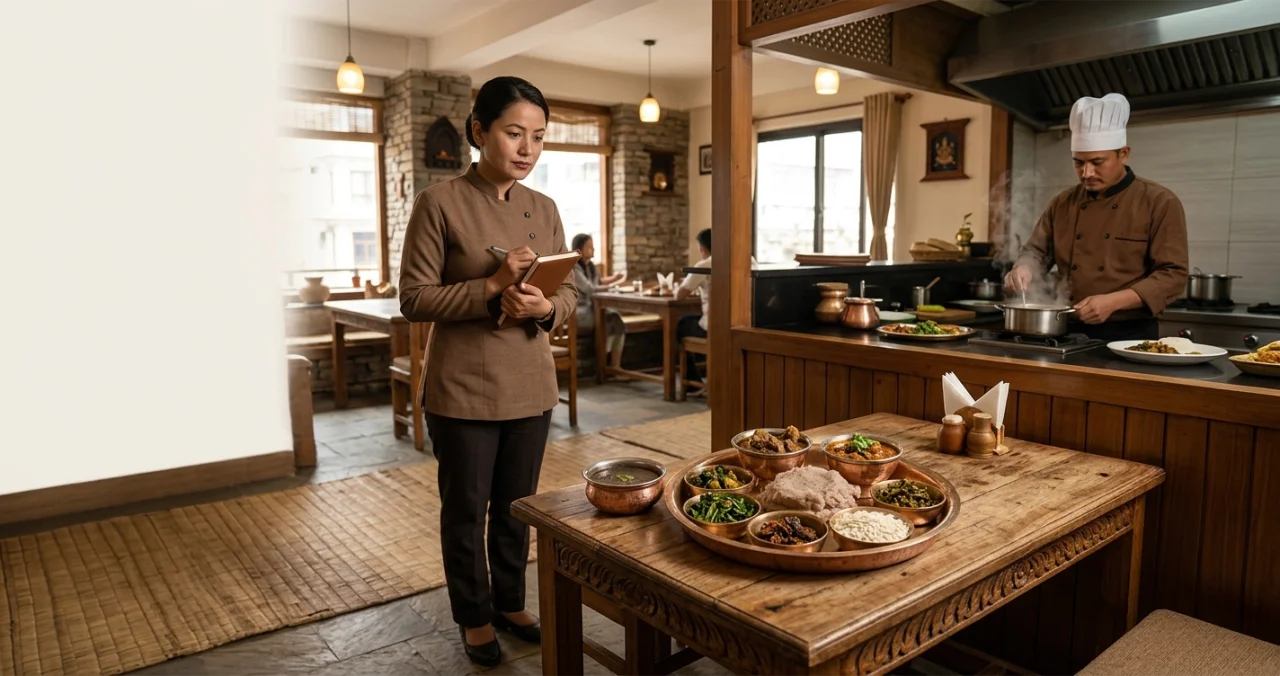
Thakali khana restaurants — known for their distinctive thali sets featuring items like dhido, gundruk, and perfectly spiced meat or vegetable curries — have built one of the most loyal, recognizable followings in Nepal's food scene. Originating from the Thakali community of Mustang, this cuisine has become a genuine category of its own in cities across Nepal, making an established Thakali restaurant a distinct and often attractive business to buy.
Why Thakali Restaurants Stand Out as a Business
Strong, loyal customer base Thakali khana has a devoted following — many customers seek it out specifically rather than choosing a restaurant at random, which means a well-regarded Thakali restaurant often has more repeat business than a generic eatery.
Recognizable, differentiated brand within the market Unlike generic "restaurant" listings, "Thakali khana" is an immediately understood category to Nepali diners — this cuisine identity itself functions as a kind of built-in branding that doesn't need to be built from scratch.
Consistent, portion-based menu structure Thakali thali sets are typically built around a consistent core format (rice or dhido, dal, meat/vegetable curry, greens, achar), which can make kitchen operations more predictable and standardized compared to restaurants offering a large, varied menu.
What to Check Before Buying a Thakali Restaurant
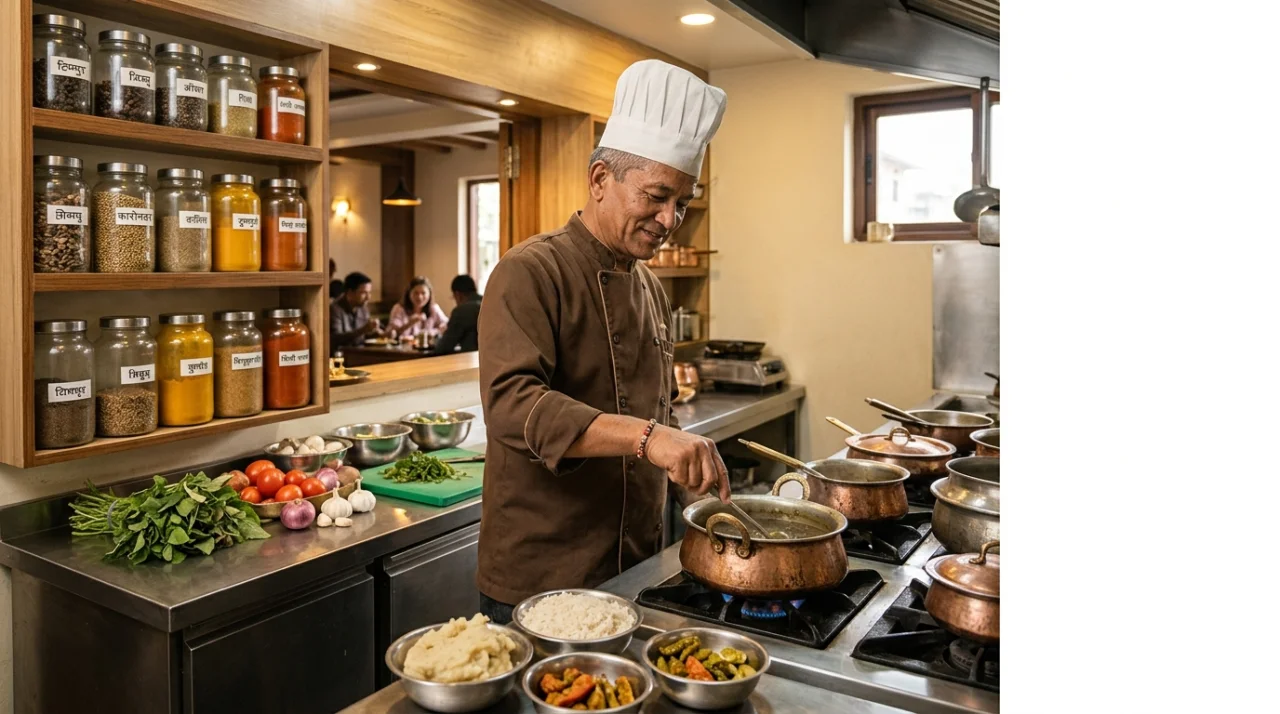
1. Authenticity and recipe consistency A large part of a Thakali restaurant's reputation rests on taste consistency and authenticity. Ask whether the current cook(s) — often trained specifically in Thakali cooking methods — plan to stay on after the sale. Losing the person who makes the food taste "right" can seriously hurt the business, even if everything else transfers smoothly.
2. Ingredient sourcing Certain ingredients central to Thakali cuisine (specific spices, marsi rice, particular meat cuts) may rely on established supplier relationships. Ask whether these sourcing relationships transfer with the sale or need to be rebuilt.
3. Customer base and repeat visit patterns Since Thakali restaurants often thrive on repeat, loyal customers, ask about typical daily/weekly customer volume and whether the seller can point to visible signs of a regular clientele (peak lunch/dinner rushes, regulars by name, etc.).
4. Kitchen setup and equipment Traditional Thakali cooking may involve specific equipment (certain types of pots, grinding tools for spices, wood or gas setups depending on the establishment). Confirm what's included in the sale and its condition.
5. Standard business checks still apply Beyond the cuisine-specific factors, the usual due diligence remains essential: real income records, lease terms and remaining duration, licenses, and the seller's actual reason for selling.
Red Flags to Watch For
- Key cooks with Thakali-specific expertise uncertain about staying on
- Noticeably declining customer traffic without a clear explanation
- Heavy reliance on a single well-known "signature" dish or cook that isn't easily replaced
- Sourcing relationships for key ingredients that aren't clearly documented or transferable
Browse Restaurant Listings
Smart Bikri lists restaurants, cafes, and specialty eateries for sale across Nepal, including Thakali khana establishments. Browse current Food & Hospitality listings to explore what's currently available in your city.
A well-run Thakali restaurant with an authentic, consistent kitchen and loyal customers can be one of the more rewarding food businesses to own in Nepal — the key is making sure what makes it special (the people and the recipes) genuinely transfers with the sale.
Smart Bikri — Buy Smart, Sell Easy. Nepal's trusted marketplace for buying and selling shops, restaurants, and businesses nationwide.