
How to Sell Your Shop in Nepal: A Complete Guide for Shop Owners

How to Sell Your Shop in Nepal: A Complete Guide for Shop Owners
Selling a shop is different from selling other types of businesses. Inventory, lease terms, and regular customer relationships all play a bigger role, and buyers evaluating a shop look for specific things that a restaurant or service business buyer might not care about. Whether you're selling a grocery shop, a fancy shop, an electronics store, or any other retail business, here's a practical guide.
Before You List: Get Your Shop Sale-Ready
Organize your records Gather whatever sales records you have — daily sales registers, POS reports, supplier invoices, or bank deposit history. Buyers will ask, and having this ready signals you're a serious, transparent seller.
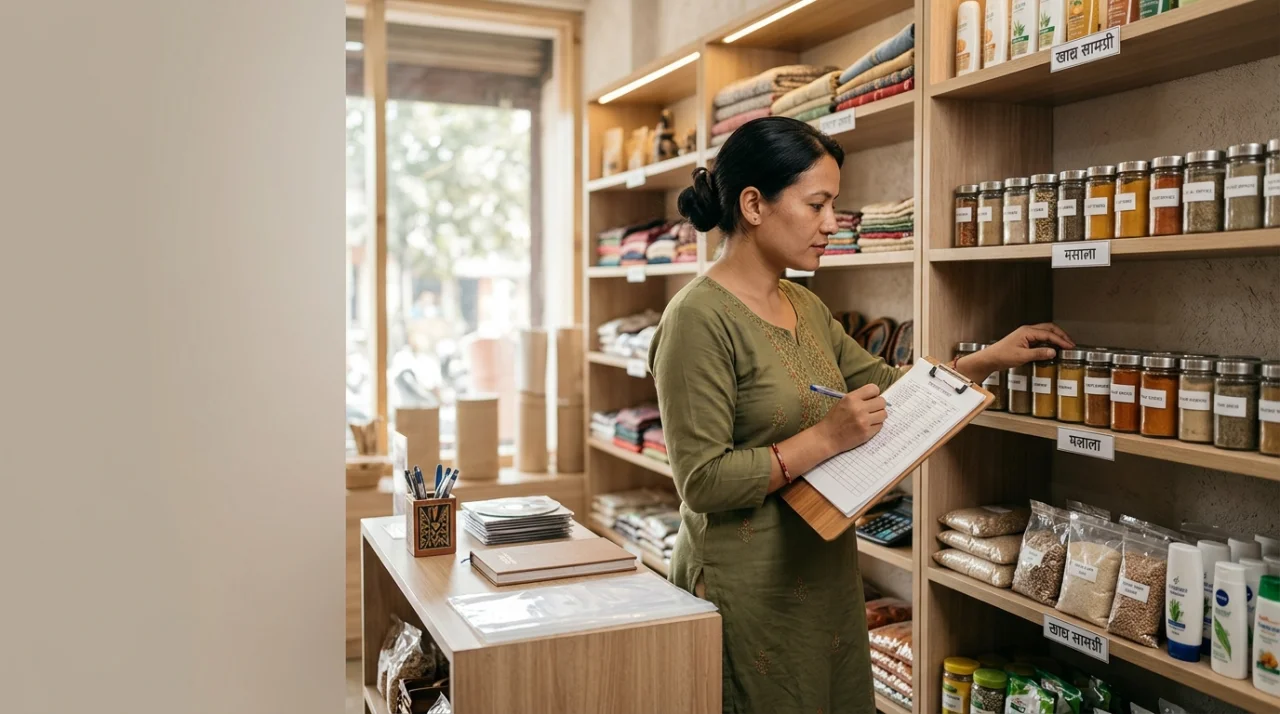
Clean up and organize the shop A tidy, well-organized shop with neatly stocked shelves photographs better and shows better during buyer visits. First impressions genuinely affect both perceived value and buyer confidence.
Clarify your lease situation Know exactly how many years remain on your lease, what the current rent is, whether an increase is coming, and — importantly — whether your landlord will approve transferring the lease to a new owner. Sort this out before listing, since an uncertain lease is one of the most common deal-breakers for shop buyers.
Take stock of your inventory Decide upfront whether inventory is included in your asking price or valued separately. Both approaches are common, but being unclear about this creates confusion and slows negotiations.
Pricing Your Shop Realistically
Shop valuations in Nepal typically factor in:
- Monthly net income — the biggest single driver
- Location quality — a main road or busy chowk location commands a premium
- Remaining lease term — longer, stable leases add real value
- Inventory value — current stock worth, if included
- Fixtures and equipment — shelving, display cases, refrigeration, billing systems
- Customer base — regular, loyal customers add value beyond the physical assets
Browse comparable shop listings in your city on platforms like Smart Bikri to get a realistic sense of market pricing before setting your number.
Writing a Listing That Attracts Serious Buyers
Include:
- Clear photos — exterior, interior, shelving/stock, and any major equipment
- Honest income range — even approximate figures help buyers self-qualify
- Rent amount and remaining lease term
- What's included — inventory, fixtures, equipment, any staff staying on
- Reason for selling — stated upfront builds trust
Avoid vague listings like "good running shop, urgent sale" — these attract low-quality inquiries and often signal desperation, which weakens your negotiating position.
What Shop Buyers Specifically Look For
Understanding buyer priorities helps you present your shop effectively:
- Consistent daily footfall — many buyers will visit at different times to observe real traffic
- Supplier relationships — established credit terms and reliable suppliers are genuinely valuable
- Inventory turnover — buyers want to know stock moves, not sits
- Nearby competition — be prepared to discuss this honestly
- Why you're leaving — a vague answer here raises suspicion faster than almost anything else
Managing the Transition
Be transparent about regular customers If your shop relies on relationships with regulars, consider introducing the buyer to key customers during the handover — this protects the business's value and reflects well on you as a seller.
Clarify supplier handover Introduce the buyer to your main suppliers where possible, so those relationships transfer smoothly rather than needing to be rebuilt from scratch.
Document everything in writing Whatever you agree on — inventory valuation, payment terms, handover date, what's included — put it in writing. Verbal agreements are a common source of disputes after a sale closes.
Common Mistakes Shop Sellers Make
- Overpricing based on emotional attachment rather than actual income and comparables
- Hiding an expiring lease or upcoming rent increase — buyers almost always discover this during due diligence
- Poor or too few photos, which causes serious buyers to skip the listing entirely
- Being slow to respond to inquiries, losing buyers to faster-responding sellers
- Unclear inventory terms, leading to disputes right before closing
List Your Shop on Smart Bikri
Ready to sell? List your shop on Smart Bikri with photos and honest details, and reach genuine buyers actively searching for shops across Nepal.
Selling a shop you've built takes some preparation, but sellers who organize their records, price realistically, and communicate honestly consistently sell faster — and often at better prices — than those who simply list and wait.
Smart Bikri — Buy Smart, Sell Easy. Nepal's trusted marketplace for buying and selling shops, restaurants, and businesses nationwide.